
« July 2007 Table of Contents
One on One: Mike Lee
By James Wright
July 01, 2007
Should a restaurant ever assume its owner's personality,
Cracked Crab in Pismo Beach, Calif., would be it. It's where
the waitresses plunk down big steel buckets of steamed crabs in
the middle of the tables. It's where no-jacket-required casual
meets world-class seafood.
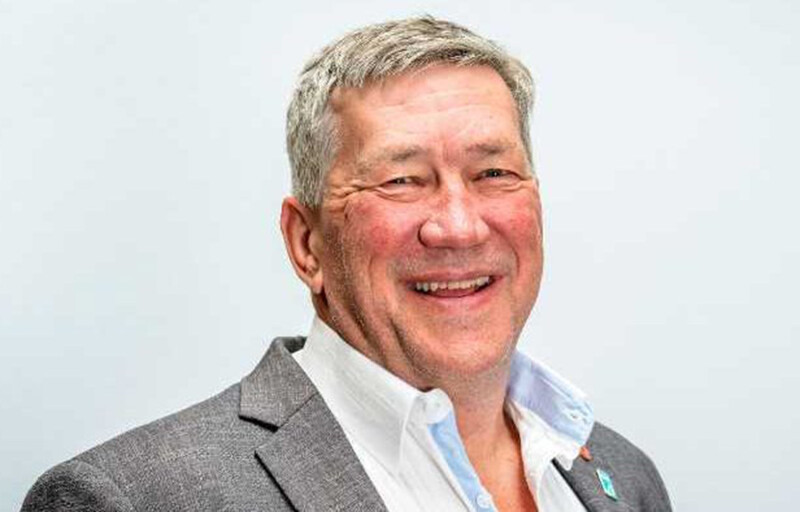
The owner of this come-as-you-are crab shack is Mike Lee,
55, a self-titled corporate dropout who opened the hot spot in
May 1999. Raised in Cleveland, Lee worked for 20 years in
corporate-restaurant management until 1998, including 13 years
as an executive with Carlos Murphy's and the now-defunct Famous
Restaurants of San Diego, the final three as president and
CEO.
But life and work couldn't be any more different for Lee
now; he says he hasn't even seen someone wearing a tie for
months. Pismo Beach, which is about a four-hour drive from both
Los Angeles and San Francisco, is a draw for people who like
fast cars, but not the fast lane (it's one of the few remaining
beaches that allow vehicles to drive on the dunes); it's a
popular getaway destination for Bakersfield and Visalia.
While many Cracked Crab guests walk in right off the beach
in their flip-flops, Lee says don't confuse low key with low
quality. High-end seafood items like Alaska king crab, Canadian
snow crab, Dungeness crab and locally harvested rock crabs are
menu staples, along with slipper lobsters, Australian coldwater
lobster tails, Alaska salmon and halibut, mussels and shrimp. I
caught up with Lee in April to talk seafood and ask him what
it's been like to see his laid-back concept come to life.
WRIGHT: How is the restaurant doing?
LEE: We do more than $2 million a year in sales with just 17
tables, 80 seats. It's only 2,000 square feet, with no bar.
It's amazing what we do in this space. We're just kicking butt.
Our sales for eight straight years have increased.
I told my wife the other day, "We created a monster - we're
too busy!" We never thought we'd be doing this much business.
We're pushing the limits of the building. It's a good problem
to have.
You give equal credit for the restaurant's success to your
wife Kathy. What are your respective roles?
Kathy runs the books and also places orders and sometimes
picks them up. But she does a ton of R&D. She's got every
magazine, every cookbook you can imagine. She keeps me filled
in, because I don't have much time to read. She reads SeaFood
Business religiously. She keeps me abreast of what's happening
in the industry.
I'm more on the operations [side]. I also go to every single
table when I'm here. If I'm here, you'll definitely meet me.
I'll talk them through the menu and recommend things that I
think are special. I tell them I purchase only the highest
quality ingredients you can find on Earth. Everything here is
made from scratch. It takes an hour and 20 minutes to make our
clam chowder, but we don't cut any corners. We cut every lime
for key lime pie. We buy produce year-round from a local
greenhouse. I like to tell our story to the people; that's my
favorite part of the job. And people love meeting the
owner.
What lessons did you learn from corporate that still
apply?
A lot. The thing my employees like is it's very structured,
because of my background. But it's also a mom-and-pop place,
because here you don't need to wait two or three weeks to
change something. If it needs to be changed, let's change it
today. But the chowder should taste the same today as it did
last year. All that is taken from corporate: clean, organized,
structured.
But I'm laid back. My waitstaff uniform is blue jeans with a
black Cracked Crab T-shirt. That's what I wanted to create. If
you go to New York, you don't go to a seafood restaurant in
jeans. It's the same in California. If you go to a seafood
restaurant, it's white tablecloth, it's waiters in bow ties.
But we're on the beach, man. You want to be able to get the
best seafood but stay casual.
Did you work more hours as a CEO or do you put in more time
now?
Now, because I'm online at home all the time. All issues
come through me, and a lot is [handled] through e-mail. I work
a lot, because every decision is mine. I used to work
open-to-close. We lived up here [in the office upstairs] for
two years when we first opened. Now I've got two managers, so I
still work every day, but not every night.
How often does your menu change?
We print the menu every day. If you come in my restaurant,
we'll have wild Alaska salmon one day, local Pacific snapper,
harvested two miles away, on another. I don't order [local]
fish, the fishermen call me and tell me what I'm running today,
then I buy it from my vendor.
It costs about $1.20 to print each menu, and we go through
about 30 of them a day. Do I think it's worth it? Yes. In the
long run, it's cost effective. If the price for crab goes up, I
can change it on the menu tomorrow.
What's your most popular crab?
Probably the king crab and snow crab. We keep local
Dungeness and rock crab in live tanks, which are popular. When
seasons overlap, we'll have as many as 15 types of crab on the
menu, usually about springtime. Today there are nine.
How many seafood vendors
do you buy from?
Two. I use Central Coast Seafood [based in Atascadero,
Calif.] locally and I buy frozen crab from Sysco that was
supplied to them by The Crab Broker in Las Vegas.
How do you ensure you get
top-quality product?
I've gone to Alaska twice, to Nome and Dutch Harbor. I used
to think Alaska king crab was expensive; now I don't. I have a
lot of respect for the people they buy from and the way it's
harvested. I market that to my customers, telling them they
can't buy a better crab than what they're eating right now.
Assistant Editor James Wright can be e-mailed at
jwright@divcom.com