
« February 2007 Table of Contents
Point of View: Farmed salmon: the right thing to eat
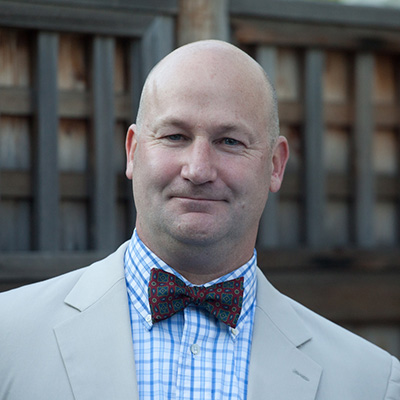
By Philip Walsh
February 01, 2007
When Americans aren't buying or eating farmed salmon (it's
22 percent of the fresh fish sold at retail) they're reading
about it, and very little of what they read is positive.
The attacks on farmed salmon fall into two categories: the
damage inflicted on the environment in which the fish are
raised and the alleged health issues surrounding
the
product.
While the anti-farmed salmon front has been relatively quiet
this winter, the next negative campaign could be around the
corner. Here are some false charges often leveled against
farmed salmon:
Farmed salmon is raised in dirty water and forced to swim in
their own waste. To grow and thrive, salmon need pristine
water; the kind found in Chile, Canada and Norway. When
salmon-
growing sites are chosen, much attention is given to
the water's depth and the surrounding tidal flow, because
effluence must be dealt with, just as it is in raising
livestock.
Farmed salmon contains mercury. The U.S. Food and Drug
Administration tests farmed salmon for mercury and it contains
lower levels than almost any other fish. It often tests as
"undetectable."
Farmed salmon is dyed. The diet of both wild and farmed
salmon includes astaxanthin, a nutrient that provides color to
the flesh. The astaxanthin used in feed cannot be harvested; it
must be synthesized. It is not an additive; it is a
nutrient.
Farmed salmon contains dangerous levels of PCBs. The FDA's
tolerance level is 2,000 parts per billion. The average PCB
level found in farmed salmon is 27 ppb, according to the
Environmental Working Group.
There are two sides to the farmed salmon story. Why, then,
do we hear only the negative side?
First of all, the seafood industry is famously fragmented,
with its members taking particular pride in that they agree on
little to nothing. As a result of this disunity, farmed salmon
offers a much softer target than beef or poultry.
Secondly, farmed salmon is grown in ocean pens and it is
inevitable that any commercial enterprise that occurs in the
ocean will serve as a lightning rod for the activist
community.
These attacks can seriously harm consumers who stop eating
this lean, heart-healthy protein. George Blackburn, MD, Ph.D.,
of Harvard Medical School, said recently, "It's a little bit
hypocritical when we eat so much junk food and are so
overweight that we would start worrying about fish from good
providers such as established fish markets."
He dismissed activist attacks on farmed salmon, accusing
those that make them of endangering human lives by encouraging
the public not to eat farmed salmon.
Farmed salmon is also affordable and readily available. Wild
salmon, a seasonal delight, remains an important and healthy
product but does not provide Americans with the benefits of the
year-round supply of farmed salmon.
Finally, the question of sustainability: For farmed salmon,
sustainability is a given. It is the best friend wild salmon
ever had, because without it, pressure on wild stocks would
have a severe impact on a biomass that remains healthy.
The fact is that farmed salmon is safe, sustainable,
affordable and good for us.
Philip Walsh is director of business development for The
Alfa Gamma Group, a Miami fishing company with trawlers and
plants in Ecuador and Panama