


« April 2007 Table of Contents
Product Spotlight: Raw seafood
Sushi, crudo lead the demand for healthful, convenient seafood
By April Forristall
April 01, 2007
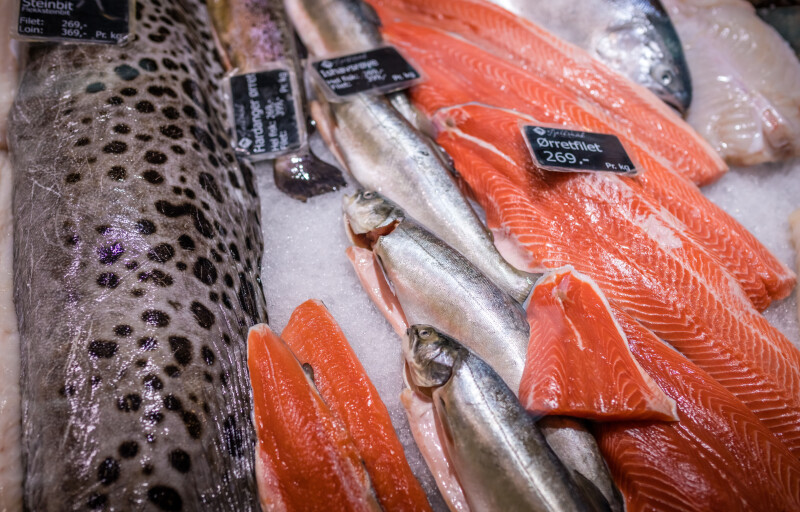
Raw seafood runs the gamut from sushi to upscale crudo.
Wrapped in rice, tangled with seaweed, dipped in dressings and
thinly sliced, a variety of seafood can be served raw. Keeping
it away from the oven, stovetop or grill not only allows
seafood to retain its flavor and texture, but also
the
nutrients that are lost when it is cooked.
Americans' love affair with raw seafood began in the 1980s
when sushi restaurants appeared on the West Coast and
miraculously beat the curse of typical short-lived food trends.
At a time when diet fads cramped eating habits, sushi let
customers go out to a nice restaurant, order a full meal and
still keep their waistlines in check. Consumer focus on
healthful foods has bolstered demand for sushi and other
raw-seafood-centric foods.
Today, the American culture is experiencing a second sushi
boom. Zagat's 2006 edition of America's Top Restaurants, as
voted by its readers, put Japanese cuisine neck and neck with
French as the best restaurants. This fad is not just on the
West Coast, but up and down the East Coast and in Chicago and
Denver.
Boston's Clio added Uni sashimi bar in 2002, which serves
only raw seafood, including squid, sea urchin, mackerel,
scallops, hamachi, eel and more.
Sushi's convenience has propelled it beyond restaurant
confines and into supermarkets nationwide. Consumers can pick
up sushi at supermarkets like Whole Foods, Shaw's and Wegman's
or eat at in-store sushi bars or cafés. A high-end Wal-Mart
that opened in Plano, Texas, in 2006 even provides a small
sushi bar.
Smaller locations have taken sushi from confined to
convenient - stores that is. The stops best known for gas,
cigarettes and beef jerky are trading in shrink-wrapped
sandwiches for sushi.
Amidst 20 gas pumps, NexStore Marketplace in Boca Raton,
Fla., has more than 40 chefs who prepare 16 varieties of sushi
daily, including California rolls and smoked salmon finger
rolls.
Sushi's popularity eventually led to the introduction of the
upscale crudo. Thinly sliced fresh fish drizzled with oils and
accented with acid and spice, crudo is much more than the
Italian word for "raw." Il Grano opened in west Los Angeles
nine years ago and is well-known for its crudo. New York's Esca
opened in 2000 with six crudo options on its menu and today has
10 to 15 raw menu items daily. In San Diego, Crudo restaurant
serves crudo sashimi and crudo sushi with maguro, hamachi, nama
sake, hirame, tai red snapper tuna and more. Bar Crudo in San
Francisco open in 2005 with such menu items as Arctic char
cubes and black bass.
Carpaccio and tartare are more ways chefs are slicing up raw
fish. Both traditionally refer to beef dishes, but restaurants
like Aleo in New York are using fish such as tuna and salmon
and turning these styles into seafood classics. Typically the
thin slices of fish are served with an olive oil and lemon
juice dressing plus seasoning, often with green salad leaves
such as arugula or radicchio and thinly sliced Parmesan
cheese.
Editorial Assistant April Forristall can be e-mailed at
aforristall@divcom.com