

« April 2007 Table of Contents
One Man's Opinion: Let the good times roll
By Peter Redmayne
April 01, 2007
The International Boston Seafood Show is a great opportunity
to showcase the diversity of the fish business. Since it was
first held 25 years ago, the show has mushroomed from 200 to
more than 1,700 booths. In the early years, the show was
largely local and English, usually spoken with a distinctive
New England twang, the lingua franca.
While English remains the dominant language, today you are
just as likely to hear a Mandarin accent as one from Maine, as
exhibitors and visitors come from almost 40 countries.
Having attended the show since its inception, I have found
it to be a good barometer of the industry's mood. Of course,
trade shows always have an aura of artificial euphoria. ("Give
me a call next week and I'll place a big order.") Still, I
would say the mood of most of the exhibitors at this year's
show was the most ebullient I have ever observed.
Although it's always dangerous to make sweeping
generalizations in such a fragmented, global industry, for most
people selling seafood these days business is very, very good.
And why is that? In a word: demand.
People want to eat more fish, not just in the United States,
but around the world. Aging baby boomers, who are in their peak
seafood consumption years, are one of the dominant factors
driving demand. That has made seafood a seller's market for a
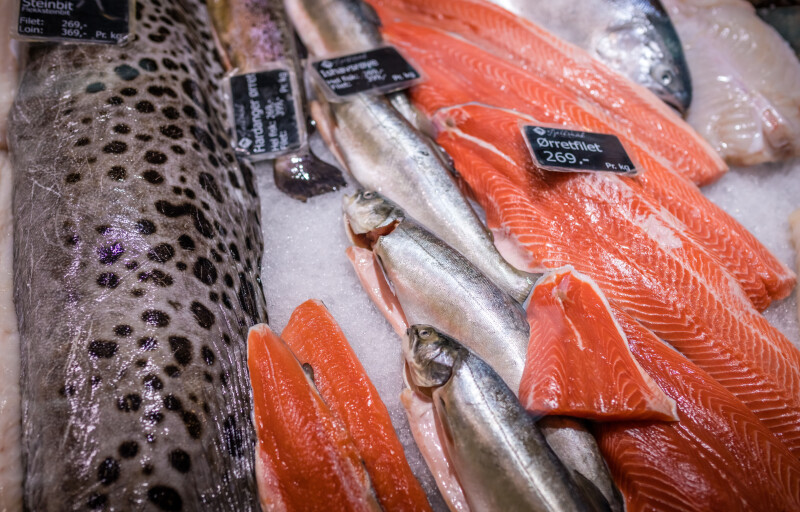
lot of producers. Take salmon. It wasn't that long ago that the
financial fate of Alaska salmon packers was a function of
whether or not the Japanese had an appetite for their sockeyes.
These days, if the Japanese want sockeyes they have to get in
line and compete with Europeans, Americans and Chinese (see
Market Report, p. 20).
Salmon farmers are also in the catbird's seat. Flush after
several years with fat margins, the farmed salmon industry has
finally learned their lesson and resisted the temptation to
farm fish faster then they can find new markets. "We're happy
with 10 percent growth a year," says Rodrigo Infante, head of
the Chilean Salmon Farmer's Association. "We know that works
for everybody."
Tuna, crab, halibut, cod, basa, squid - name a seafood and
there's a good chance supplies are short of demand and prices
are at, or near, record levels. No wonder there were so many
smiles on the faces of exhibitors at Boston.
But if you looked under the sea of smiles, you could find a
few frowns at the show. There's little doubt that high (some
would say outrageous) prices are extracting a toll on some
segments of the industry. Stop & Shop, for example, has
plans to close half of its full-service seafood counters this
year. High seafood prices have slowed sales to the point where
more
and more service counters are losing money. With little
relief in sight, more supermarkets will follow suit.
The fallout from the foodservice side has yet to be felt,
but no doubt there will be some impact. After all, how many
restaurants can get away with charging $25 for a halibut
dinner?
In a business as diverse as seafood there will always be
winners and losers. And this year's show in Boston was a great
chance to enjoy some very good times.
Contributing Editor Peter Redmayne lives in Seattle