
« February 2009 Table of Contents
One on One: Heather Tausig
February 01, 2009
Aquariums are much more than big glass tanks full of fish
and other exotic marine creatures. Leading U.S. aquariums are
becoming increasingly influential advocates for ocean health,
marine conservation and sustainable seafood. California's
Monterey Bay Aquarium (MBA), for example, publishes the
prominent Seafood Watch consumer seafood guide that ranks
seafood species from various regions and production methods
according to their sustainability profile. Numerous aquariums
across the country are educating their visitors about fishery
and aquaculture management and the importance of
sustainability.
The New England Aquarium in Boston draws 1.3 million
visitors annually, hoping to inspire and educate them about the
oceans. "We've tried to balance the need to entertain with
education and action to address the challenges facing our
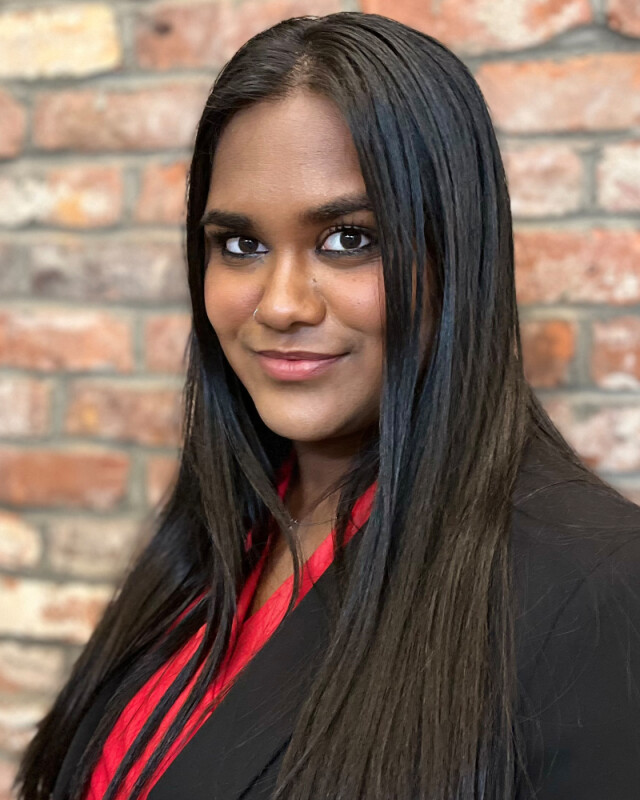
oceans," says Heather Tausig, director of conservation, who
focuses on the aquarium's unique relationship with an important
audience: the seafood industry.
Tausig has been with the aquarium for 12 years and has seen
the relationship between the industry and the environmental
community evolve from animosity to meaningful collaboration.
Since 2005 the aquarium has helped seafood suppliers and buyers
develop sustainable seafood sourcing policies. The aquarium
partners with retailer Ahold USA; foodservice company Darden
Restaurants of Orlando, Fla., the parent company of Red
Lobster; suppliers Gorton's of Gloucester, Mass., and most
recently Orion Seafood International of Portsmouth, N.H. Each
company has committed to a long-term affiliation with the
aquarium.
Tausig, 39, hails from San Francisco but spent summers of
her youth in British Columbia where she and her siblings
feasted on Dungeness crabs. After graduate school at Boston
University, she stayed in Beantown where she lives with her
husband and two children. I caught up with her in January to
discuss the aquarium's vision and the sustainability
movement.
WRIGHT: Do a lot of
aquariums work together?
TAUSIG: Yes, there's an association called the Aquarium and
Zoo Association, aza.org, which accredits aquariums and
zoos.
Do you work with the MBA?
We do, on a number of fronts. We collaborate on our
fisheries work and on climate change. We share a lot of
information not only on animals but also on exhibits,
educational pieces and ocean conservation work.
How has the relationship between the seafood industry and
the
environmental community changed?
You see a number of partnerships now, even with antagonistic
groups. I never pin [the reason why] on one specific cause;
there have been a number of factors over the last decade.
There's always been some type of collaboration, like with
fishing gear. Now there's certainly less of a focus on
litigation and advocacy and more of a willingness to work
together to find solutions. It's been gradual.
We started out facilitating dialogues, but we've shifted to
active engagement on solutions. When we started our work, our
first foray with Ahold USA, we had broad expertise in terms of
our research scientists. We then had the opportunity to make a
lasting impact on the oceans and directly engage with seafood
purchasing solutions. We're focusing on major seafood buyers to
put marine conservation into that dynamic, not just price,
season and availability.
What is the importance of your affiliation with the biggest
U.S. seafood restaurant chain?
We have seen this opportunity of working with Darden have a
significant influence on them, and their purchasing power as a
driver for us. Each of our partners has a slightly different
focus and plays a different role in the supply chain. We have
seen a commitment by these companies over time to work with us
and we're capitalizing on that. There are real benefits to
their companies and to our organization.
What questions do your
seafood partners ask?
The companies we work with are interested in sustainability,
but they come at it in different ways. Some just want to work
on sourcing issues. We have expertise with both wild and farmed
fish and give evaluations based on specific sources; we have
tools and methodologies to evaluate fisheries and farms. Other
companies are looking to train their buyers and staff and even
others want guidance on policies and processes. There's no set
answer for any company that comes to us; we're flexible in
working with companies as they work their way down the
sustainability path.
Do you work with
environmental groups?
We have a number of engagements, and aquaculture is an
example. Michael Tlusty, our director of research, is on the
steering committee for the [World Wildlife Fund's] tilapia
Aquaculture Dialogues. He's also on the standards oversight
committee for the [Global Aquaculture Alliance].
We're also part of the Common Vision (the Conservation
Alliance for Seafood Solutions). More than a dozen
organizations got together and articulated why we're working
with [seafood] businesses. We have different ways of going
about it, but we have common goals. The very first step is
committing to developing a comprehensive policy. But this is
just a way to start the journey.
An increased focus on corporate social responsibility has
played a big role. It's not just about energy, transportation
and waste, it's about food procurement. It's a good step in the
right direction.
Should there be one recognized set of aquaculture
standards?
There are a couple different views on that. One thing about
the diversity of options is competition makes all groups
stronger. On the other front, how those standards are
communicated to the public can be confusing. In our discussions
we're asking, "Are the eco-labels important for consumer
recognition or more for behind the scenes, for the supply
chain?"
Are you seeking new clients?
We're entertaining a number of other inquiries. We don't
have articulated reasons regarding whom we'll work with and
why. We want to work with companies that can make a difference
in the supply chain and also offer a commitment from senior
management. It's going to take all companies working together
to make a lasting impact.
Associate Editor James Wright can be e-mailed at
jwright@divcom.com