


« May 2005 Table of Contents
Trend Watch - Carb craze shifts to a focus on overall nutrition
Consumers are finding that healthful dieting is more complex than just counting carbohydrates
Joanne Friedrick
May 01, 2005
Down, but not yet out, the low-carb-diet trend continues to pull in
consumers, albeit at a slower rate than at its peak in early 2004. It appears
people are looking beyond just carbs and are considering a number of factors,
including fat content and omega 3s, when making food choices. That’s good news
for the seafood category.
According to The NPD Group’s Dieting Monitor, 4.4 percent of Americans said
they were on a low-carb diet when polled in mid-February versus 6.5 percent in
February 2004.
The February figure, however, is up slightly from late 2004, when low-carb
dieting dipped to just 3.6 percent of the population.
Another market research firm, Opinion Dynamics Corp. of Cambridge, Mass.,
registered slightly different figures. When it asked adults “Are you currently
on a low-carbohydrate diet?” in January 15 percent acknowledged they were on
some form of low-carb diet, up from 6 percent in December 2004. Previously, the
research firm made reference to specific low-carb diets — Atkins and South
Beach — but those references were omitted in the latest survey.
Larry Shiman, vice president at ODC, says the change in the question
reflects the fact that more dieters “are just avoiding certain foods,” rather
than following formal diet plans.
The spike in the low-carb figures for early 2005 can be attributed, Shiman
says, to the typical seasonal trend of dieting as a New Year’s resolution.
Consequently, he says, lower figures at the end of the year reflect people’s
desire to take time off from a diet during the holidays.
Although consumers aren’t tied to a specific diet, Shiman says, they do
distinguish between good and bad carbohydrates in foods, which is a plus for
purveyors of seafood.
“Seafood and all protein categories should have benefited [from the low-carb
trend],” he explains. As part of a low-carb diet, he says, “people should be
eating more fish and seafood, so there is certainly room for [the seafood
industry] to take advantage of this.”
Shiman says foodservice operations have increased their offerings of low-carb
meals. And low-carb, he says, has succeeded at the foodservice level much
better than it has for manufacturers, many of which rushed to market with
low-carb products.
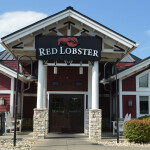
One restaurant chain that is continuing to bring low-carb items to diners’
attention is Red Lobster.
Wendy Spirduso, communications director for the Orlando, Fla.-based
operation, which has 670 restaurants in North America, notes the chain’s
30-item LightHouse Menu, first launched in July 2004, lists the calories, fat
content and carbohydrates in each offering.
She concurs with Shiman that consumers are less likely to be following a
specific diet these days but are rather watching what they eat, “including
awareness of carbs.”
In addition, she says, fat and calorie content are also top-of-mind with
consumers, which is why those figures are also listed on LightHouse Selections,
a permanent part of Red Lobster’s menu since February.
“They want information, but not a science project on the menu, or the
Manhattan phone book,” says Spirduso, explaining the LightHouse Selections menu
keeps the information easy to read and understand.
“Customers are saying, ‘Tell me what he healthiest choices are,’” she says.
No brand-new items were created for the LightHouse Selections, Spirduso
says. Instead, the section features a combination of entrées, drinks, sides,
sauces and accompaniments that have been part of the regular or event-driven
menu, such as Lobster or Shrimp Fest. The options listed are Grilled Shrimp,
with 142 calories, 1 net carb and 3 grams of fat; LobsterChops, a combination
of grilled Maine lobster tail and scallops that offers 0 carbs, 9 grams of fat
and 321 calories; and Roasted Tilapia in a Bag, which at a half portion comes
in at 297 calories, 15 net carbs and 9 grams of fat.
Although carbohydrates have gotten the most attention during the
Atkins/South Beach trend, Spirduso says because people are now interested in
healthy eating in general, topics such as omega-3 fatty acids have come to the
fore. Omega-3s have been found to benefit the hearts of healthy people, people
at high risk of cardiovascular disease and those with cardiovascular disease.
“Salmon is a perfect example of a dish high in omega-3,” she says.
Shiman of ODC agrees that omega-3 is a hot topic among the higher-income,
better-educated 40-to-60-year-old demographic.
“The more upscale the consumer, the more the concern with omega-3,” he
explains.
But other health claims are also garnering attention.
In a January survey, ODC found consumers were more concerned with high
fiber, high protein, low saturated fat, low total fat, high calcium and no
trans fats than with low-carbohydrate products. On a scale of 1 to 10, with 10
being very important, high fiber scored a 7.32, followed by high protein at
7.31, while low carb registered a 5.39 rating.
“Even though carbs were the media story of 2004,” Shiman says, other issues
are taking over, such as trans fats, which are now listed on product packaging;
saturated fat, sodium content, calcium and fiber.
At natural foods retailer Wild Oats Markets, the focus is on superfoods,
including salmon and omega-3 fatty acids, says Sonja Tuitele, director of
corporate communications, for the Boulder, Colo.-based chain.
She acknowledges that seafood, along with meat, saw a sales spike during the
low-carb craze’s peak in 2004.
Because of Wild Oats’ product standards, many low-carb packaged items
weren’t made available to customers during the height of the trend, she says.
“Instead, we signed foods that were [naturally] low carb, seafood being one of
them.”
Those signs continue to be placed around the store, she says, although the
focus has shifted from low-carb offerings to superfoods.
“We talk about what you can eat, not what you can’t,” Tuitele explains.
Wild salmon falls into the superfoods category, she says, because it is both
low-carb and low-fat and high in omega-3s. Other fish high in omega-3s include
trout and tuna.
The trend for 2005, says Tuitele, is likely to be no trend at all.
“All of what I’ve read really supports the no-diet diet year,” she says.
“It’s all about balance.”
Shiman agrees. “What is the low-carb of 2005?” he asks. “It won’t be any one
thing. It will be a range of concerns based on age and gender.”
As a result, he says, foodservice operators and manufacturers will take a diferent approach, not focusing on one health claim "but offering dishes that can make a number of claims."